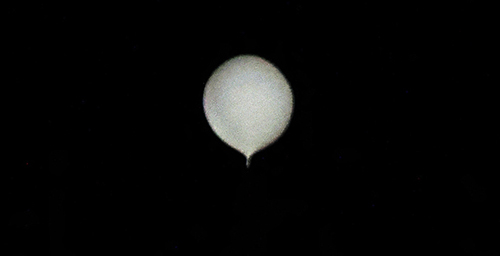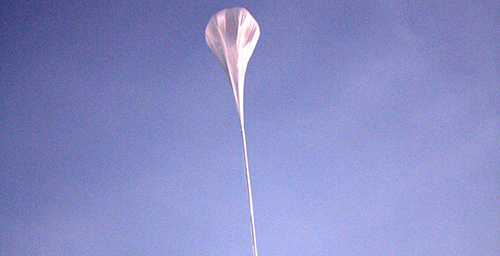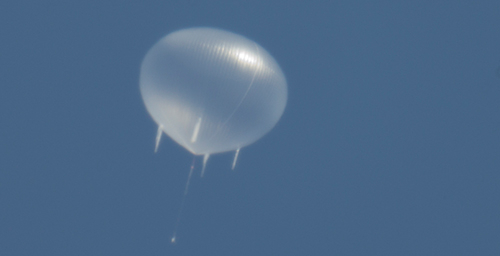


The General Anti-Particle Spectrometer (GAPS) mission, which is being promoted as one of the Small Science Programs of the Institute of Space and Astronautical Science of the Japan Aerospace Exploration Agency (JAXA), conducted its first scientific balloon flight over Antarctica for the purpose of investigating cosmic-ray anti-particles. The GAPS instrument was launched by a NASA scientific balloon from the agency's facility near the U.S. National Science Foundation's (NSF's) McMurdo Station on 16 December 2025, at 1:37 am JST. After reaching the balloon float altitude of approximately 35 km, the GAPS instrument acquired cosmic-ray observation data over 25 days, while the balloon flew two laps above Antarctica. The balloon flight was terminated on 10 January, 2026, at around 3:30 am JST, and the instrument landed approximately an hour later on the Ross Ice Shelf, about 100 km southeast of McMurdo Station. The instrument was then recovered and returned to the NASA facility on 23 January.
Regarding the investigation of cosmic-ray anti-particles, further research will now be conducted through the thorough analysis of the data obtained in this flight.
We would like to express our deepest gratitude for the cooperation of all those involved in the mission.
※ Research overview
The General Anti-Particle Spectrometer (GAPS) mission addresses crucial questions of astrophysics and elementary-particle physics, especially dark matter physics, through highly sensitive observations of rare antiparticles among cosmic radiation. Various dark matter models theoretically predict rarefied but detectable amounts of low-energy antiparticles, especially undiscovered antideuterons, and thus detecting such antiparticles will provide unique insight into understanding dark matter physics. GAPS will realize the unprecedentedly sensitive observation of such antiparticles, using a unique antiparticle identification method utilizing the deexcitation sequence of exotic atoms.
GAPS is an international joint mission. In Japan, in addition to JAXA, Aoyama Gakuin University, Kanagawa University, Osaka Metropolitan University, Research Organization of Information and Systems, Shinshu University, Tohoku University, Tokai University, and others are participating in the research, in collaboration with the U.S. team led by Columbia University and the Italian team led by the National Institute for Nuclear Physics (INFN). GAPS is supported by a number of grants and programs, including the JAXA Small Science Program, programs of the JAXA Space Science Advisory Committee, KAKENHI grants (Grant-in-Aids for Scientific Research) of the Japan Society for the Promotion of Science (JSPS), Grant for Basic Science Research Projects of the Sumitomo Foundation, and Natural Science Research Grant of the Mitsubishi Foundation in Japan, as well as NASA Astrophysics Research and Analysis grants, NSF Graduate Research Fellowships, and Heising-Simons Foundation awards in the U.S. and fundings in Italy by INFN and the Italian Space Agency (ASI) through an ASI-INFN agreement. GAPS express our sincere thanks to Chiyoda Air-con Parts Co., Ltd., Rei-netsu Laboratory Co., Ltd., Shimadzu Corporation, and SUMCO Corporation for their continuous cooperation. We also express our sincere thanks to the NASA Columbia Scientific Balloon Facility (CSBF), the NASA Balloon Program Office (BPO), and the NSF U.S. Antarctic Program (USAP) for their professional support throughout the U.S. antarctic long-duration balloon (LDB) flight campaign.
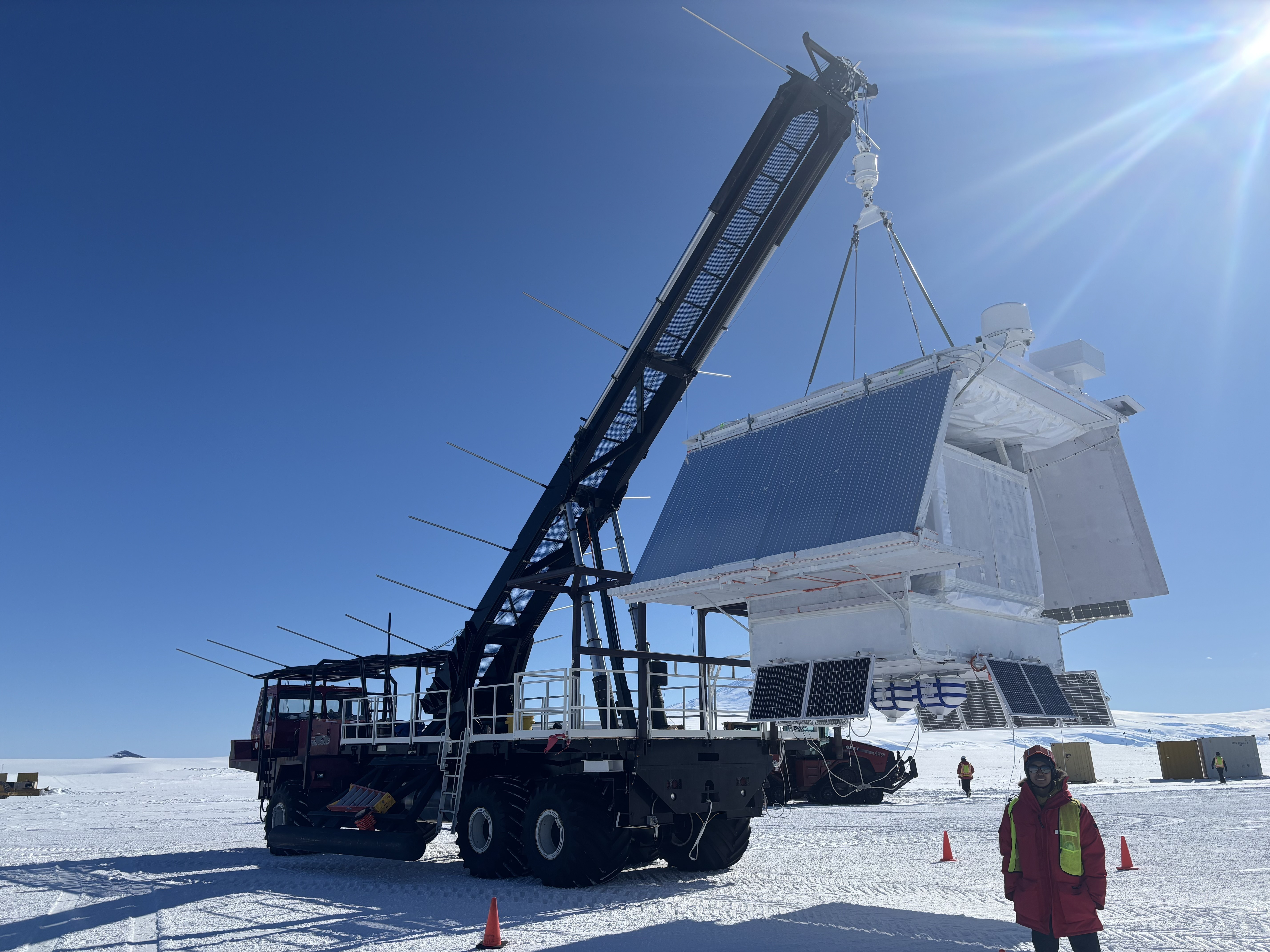
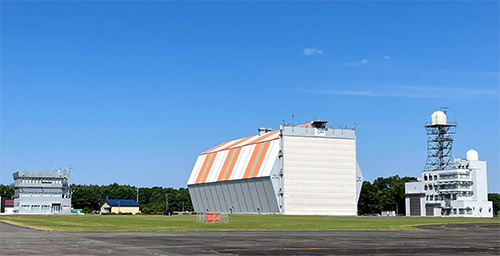
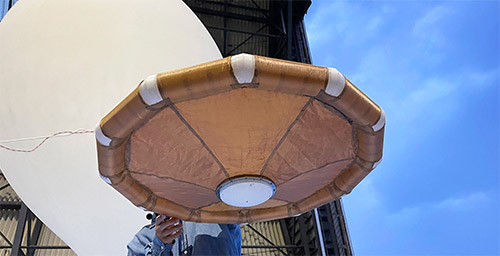
The GAPS instrument ready for flight in Antarctica (credit: JAXA)
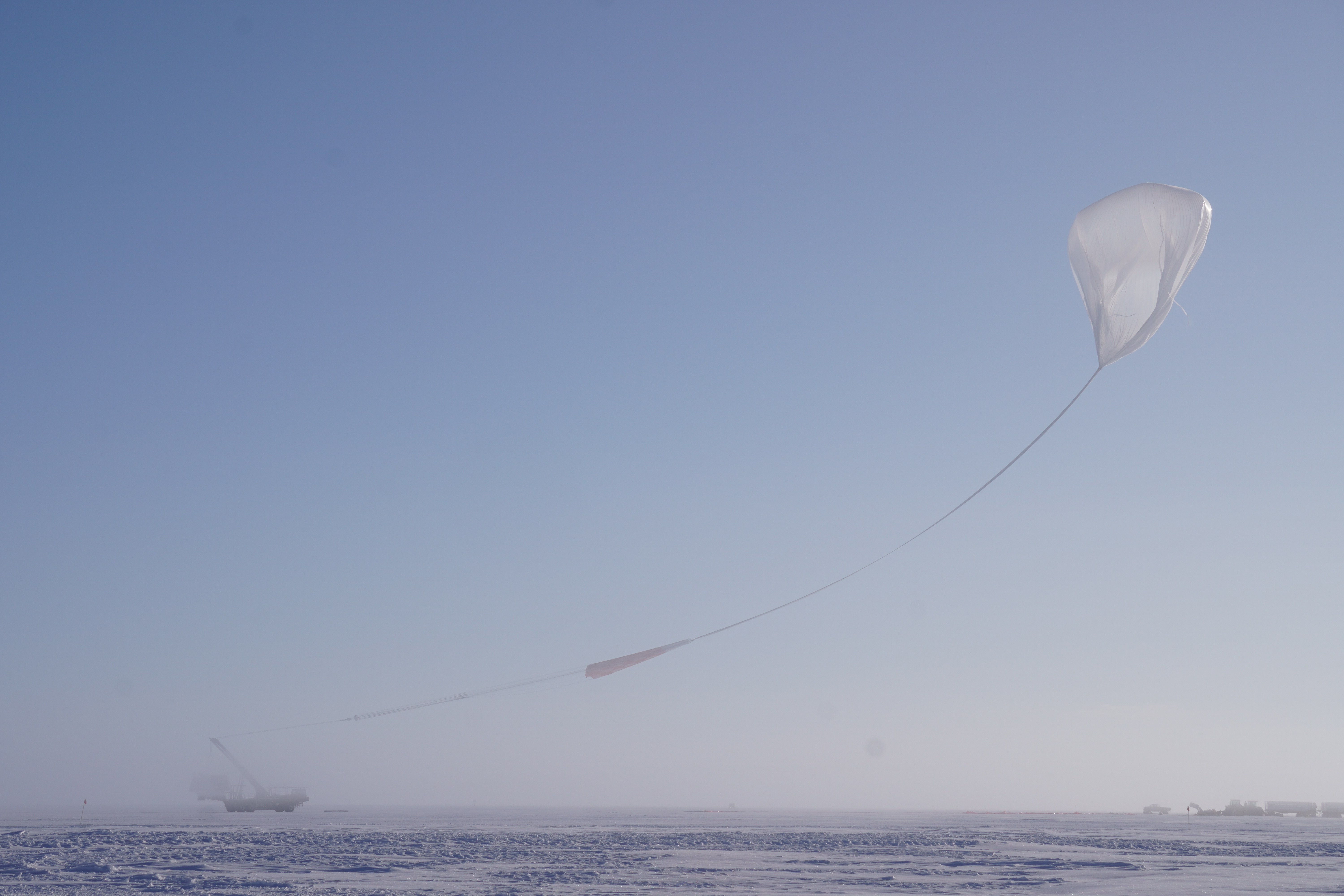
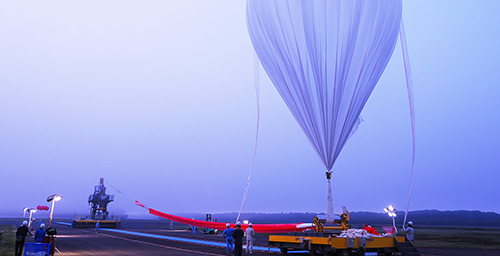
The GAPS instrument to be launched by a NASA balloon. (credit: JAXA)
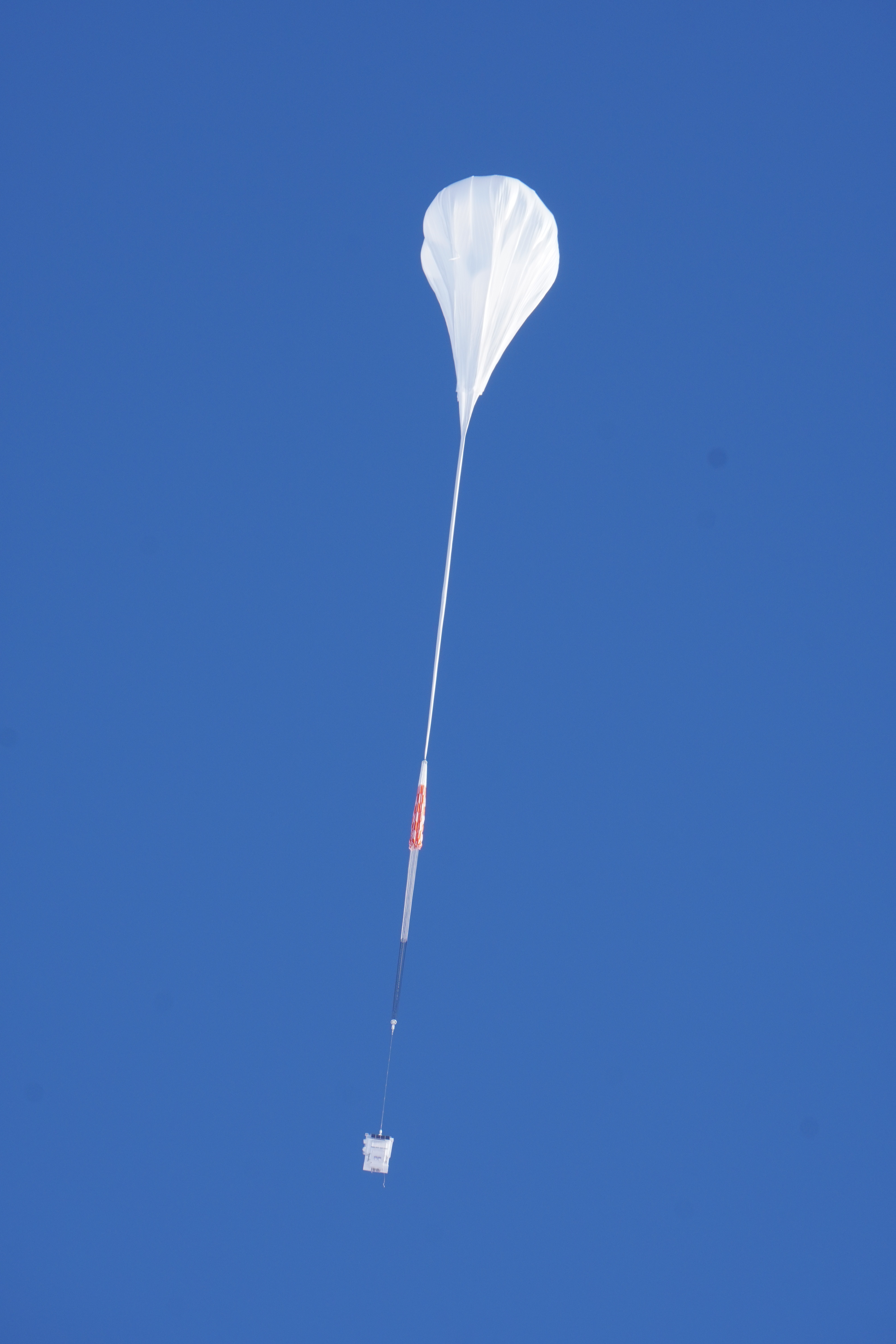
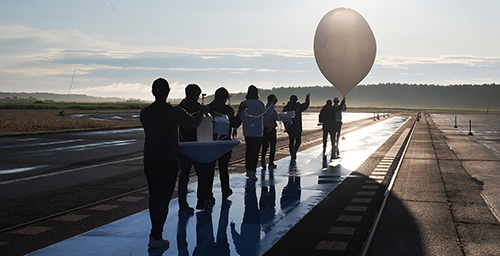
The GAPS instrument just after the launch. (credit: JAXA)
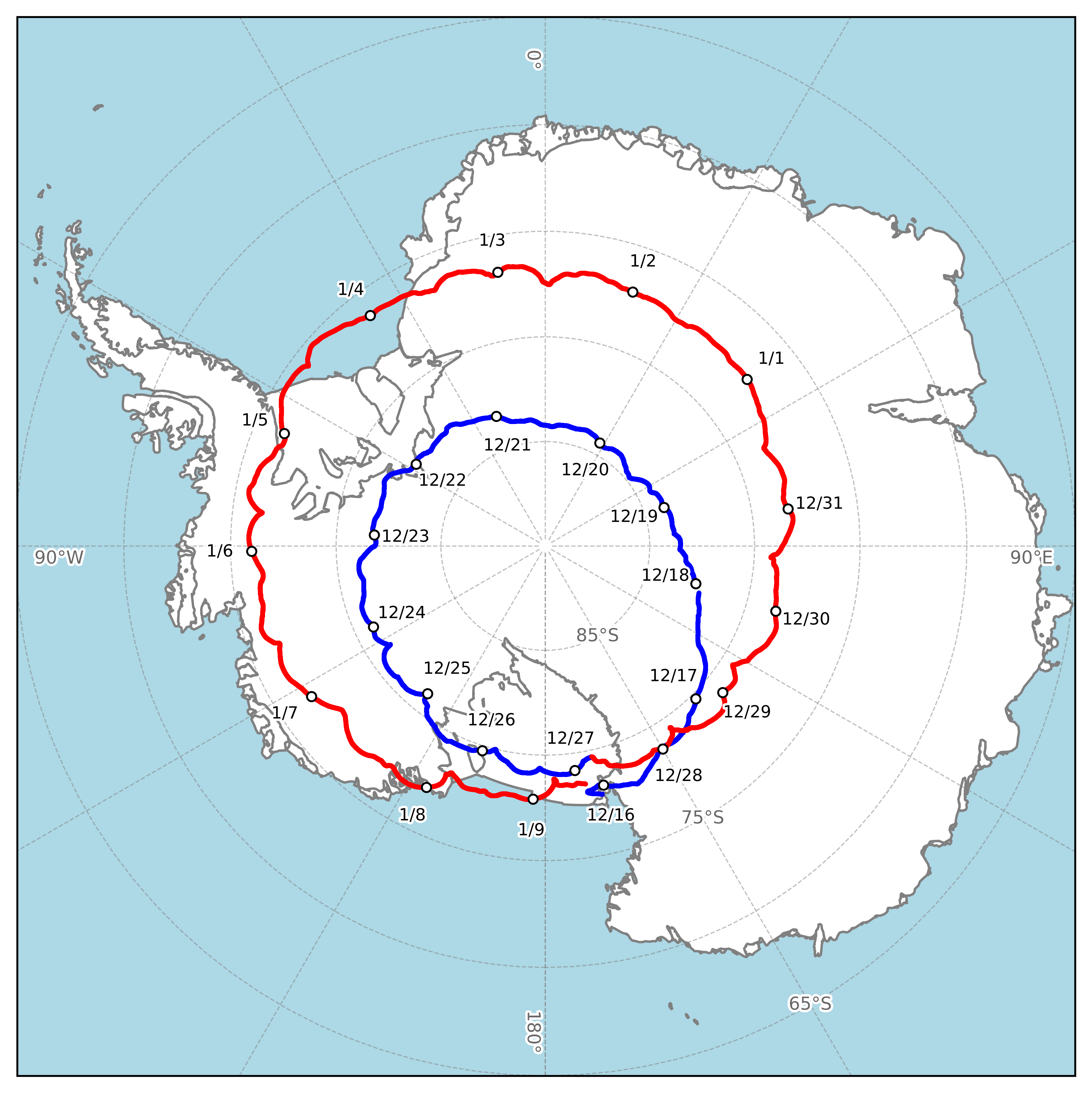
GAPS's flight trajectory over Antarctica. The blue and red lines show the first and second laps, respectively. Each date indicates the balloon position at 0:00 am UTC. (credit: JAXA made with Natural Earth)